My Creative Process
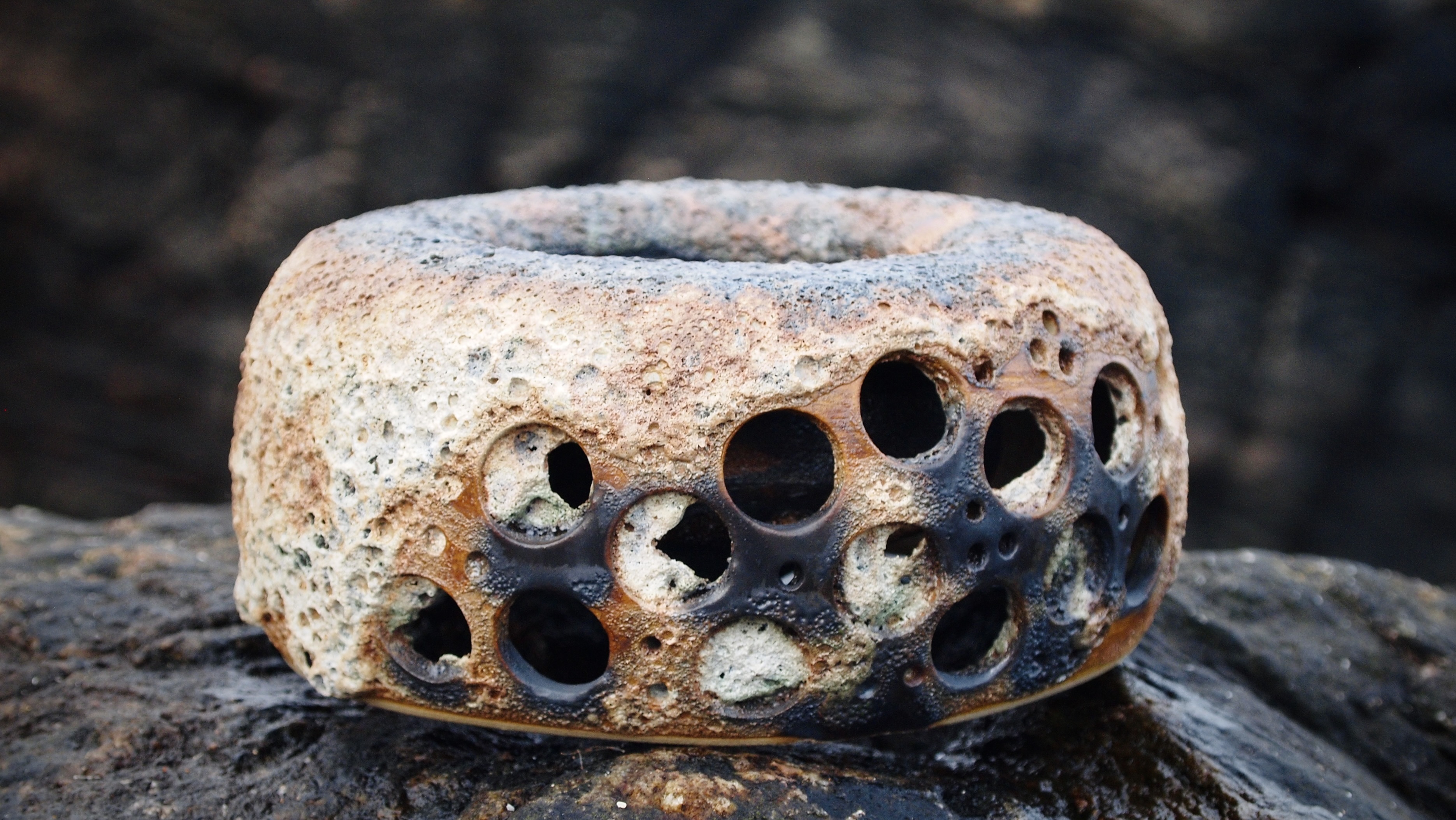
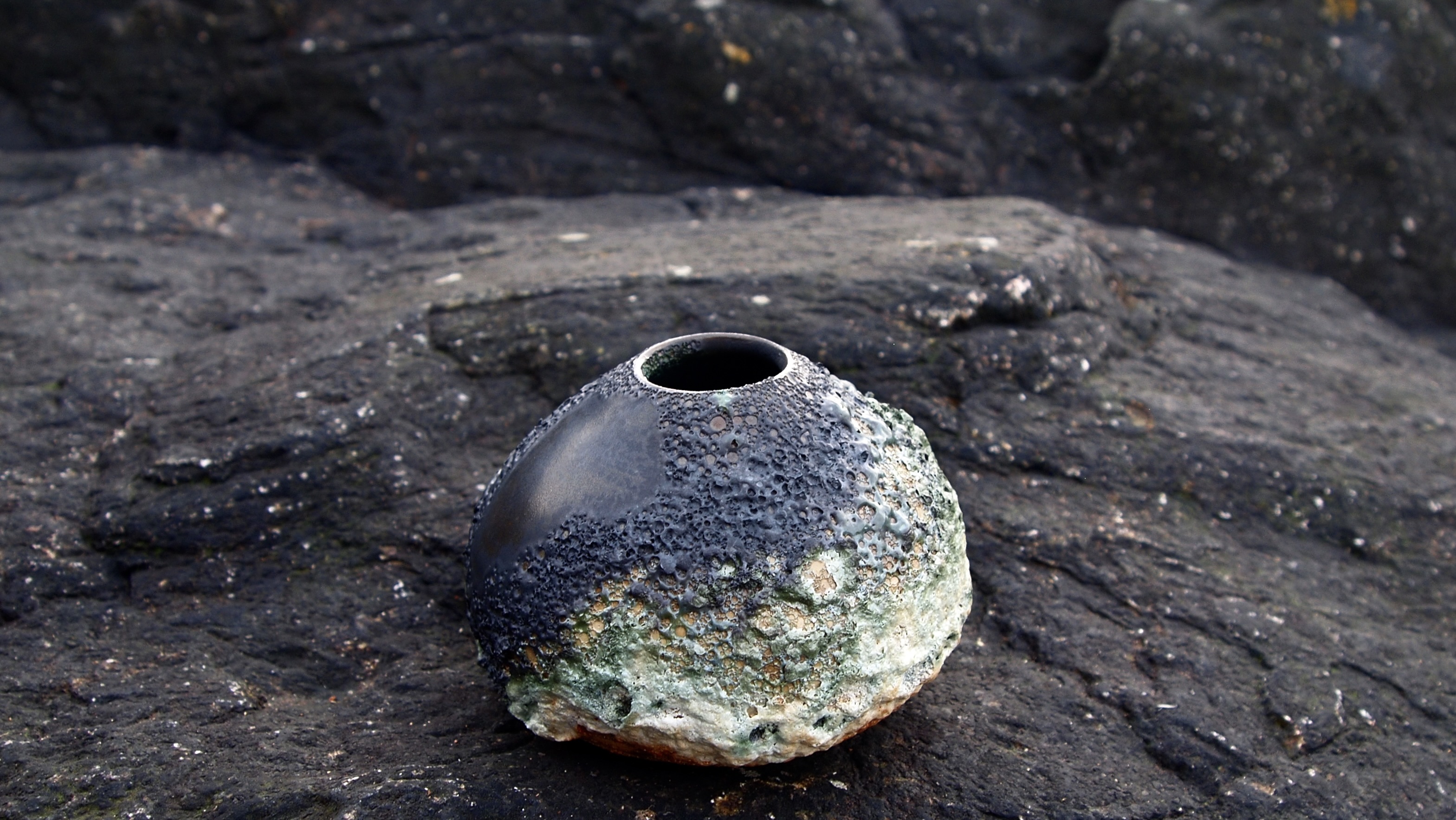
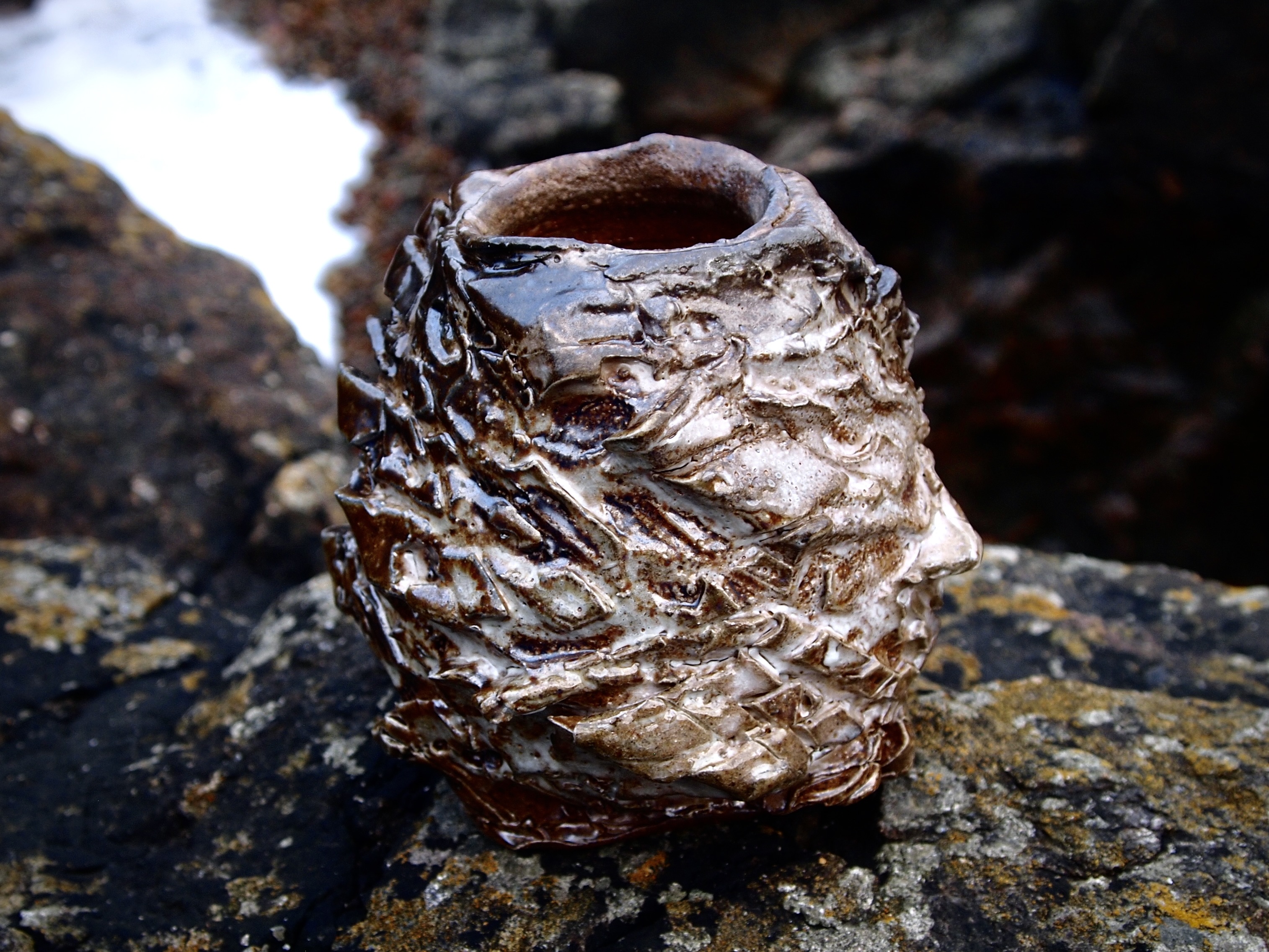
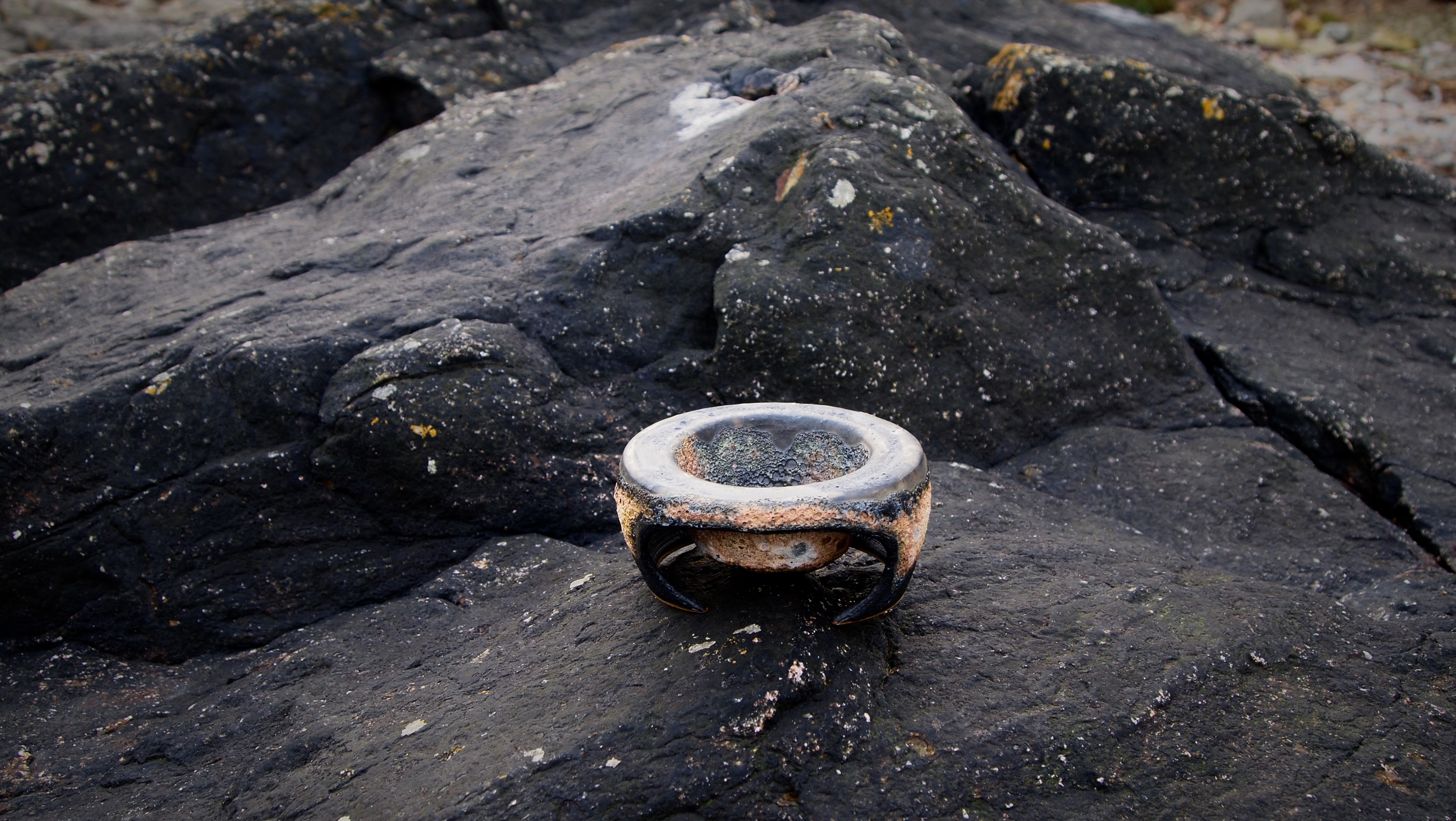
At Alastair's studio, the journey from clay to creation is both intricate and rewarding. Using traditional wheel-throwing techniques, Alastair shapes each piece with care and precision. His passion for texture and color shines through in the unique firing methods he employs, including gas firing, wood firing, and raku. Wheel Throwing: This foundational technique allows for the creation of beautiful, functional forms, with each piece reflecting Alastair’s skill and artistic vision.
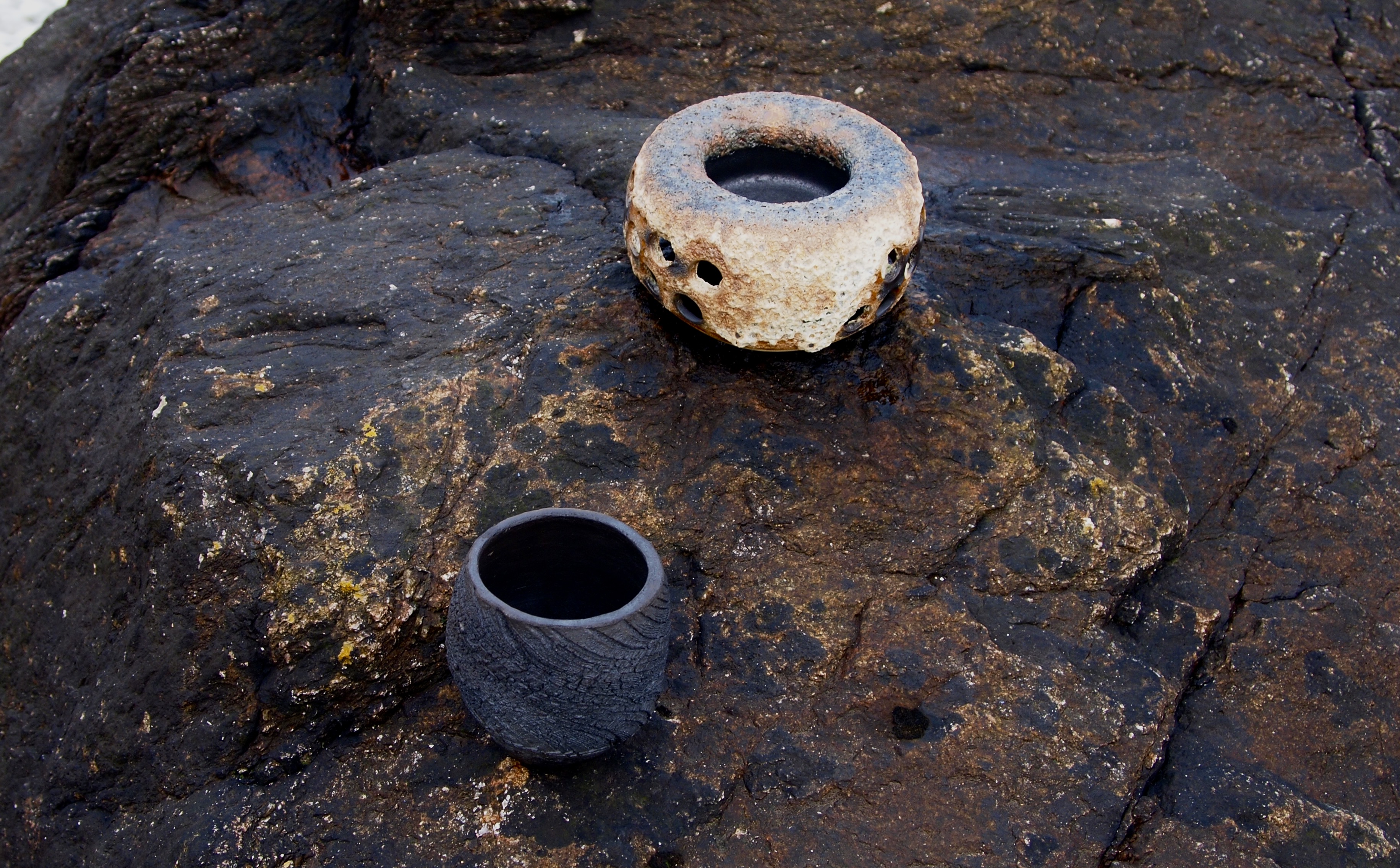
It All Starts with the Clay
Before anything else, the journey begins with clay. I start by *wedging* the clay—a bit like kneading dough—to remove any air bubbles and get it nice and workable. This step is crucial to ensuring the clay is smooth, consistent, and ready to be shaped on the wheel.

Throwing on the Wheel
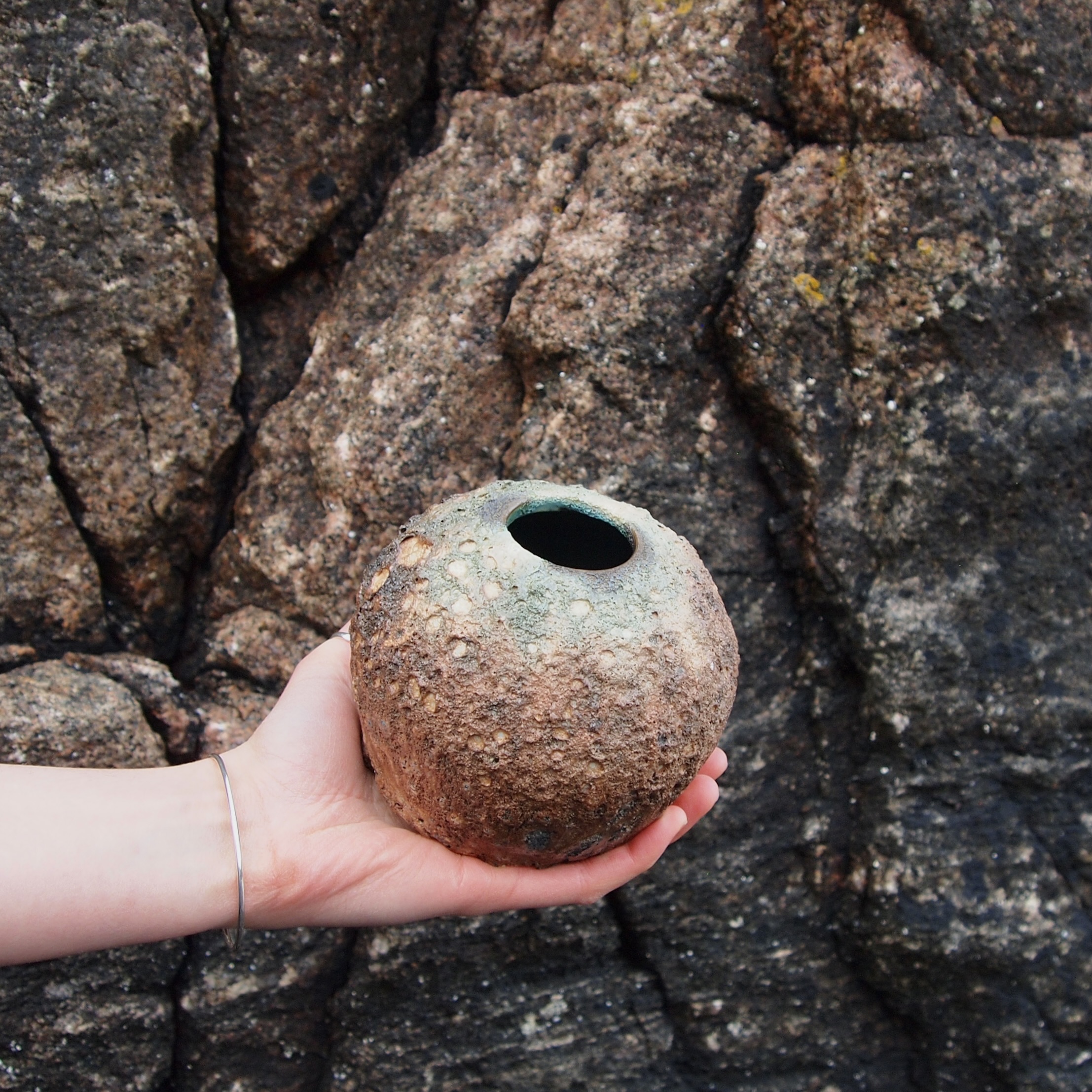
Once the clay is prepped, it’s time to hit the wheel. Throwing is where the magic happens—where a simple lump of clay is transformed into a bowl, mug, or plate. I work carefully, using my hands and tools to shape each piece with precision. Every form is unique, with slight variations that make each one special.
Drying & Trimming
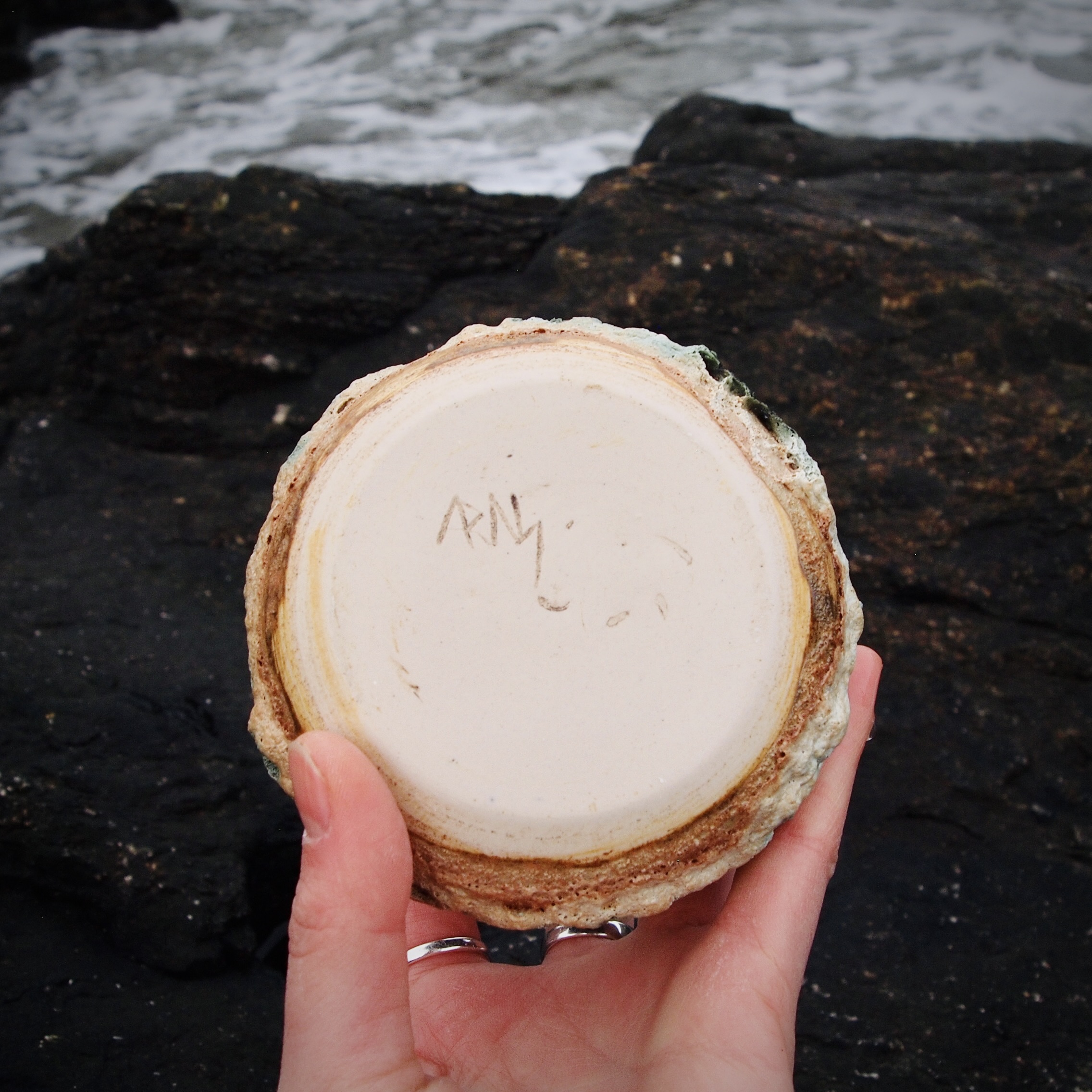
After shaping, the piece needs to dry a bit before I trim away any excess clay and refine the form. It’s a delicate balance—getting the right amount of dryness without the piece cracking. Once trimmed, it’s left to dry fully before moving on to the next stage.
Firing: Where the Real Magic Happens
Firing is what truly transforms the clay into a finished piece of pottery, and this is where things get exciting. I specialize in three different types of firing techniques.
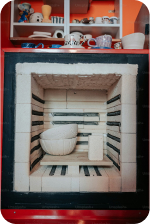
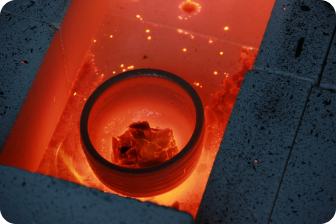
Gas Firing
For a more controlled finish, I use
gas firing. This method allows me to reach high temperatures (a
*high cone*), bringing out deep, rich glazes and ensuring each
piece is both durable and beautiful. Gas-fired pieces have a
smooth, refined look, perfect for functional tableware.
Gas
Raku Firing
Raku is all about spontaneity. After being pulled from the kiln
while still glowing hot, the piece is placed in a container
filled with combustible materials like sawdust or paper. The
rapid cooling and smoke create dramatic, unpredictable patterns
and cracks that make Raku pieces truly one-of-a-kind.
Raku
Wood Firing
This traditional method is a labor of love. The kiln is stoked
with wood over several days, allowing the flames to work their
magic. Each piece takes on a completely unique look, with
natural ash and flame marks giving it a raw, earthy texture.
Wood
Glazing - Where Chemistry Meets Art
Once the piece is fully dried and ready, it’s time for one of
the most exciting steps—glazing. This is where the raw clay
transforms into something truly special, with colors, textures,
and finishes that bring the pottery to life.
With Raku, no two pieces ever come out the same—even if they’re
glazed with the exact same mixture. The beauty of Raku lies in
its unpredictability. The extreme heat and rapid cooling process
cause glazes to crackle, shift colors, and even create metallic
sheens, depending on how the flames and smoke interact with the
glaze. This means that the same glaze can look entirely
different across multiple pieces, even if they were all thrown
from the same batch of clay
But even with the more controlled methods like gas firing, there
are still variables at play—temperature, placement in the kiln,
and even the weather on the day of firing can influence the
final result. Every firing feels like a new adventure, and the
surprises that come out of the kiln are part of what makes
pottery so rewarding.